Many of my clients come to me after noticing changes in their digestion in their 40’s, 50’s and beyond. Foods they once ate without thinking now leave them bloated, uncomfortable or worrying about where the nearest toilet is. Others find themselves avoiding meals out altogether or reaching for elasticated waistbands by the evening.
Then the fear creeps in
“Will this food cause me to rush to the toilet”
“Will I be able to enjoy my time out with friends or will I need to cancel at the last minute”
And you find yourself questioning what is actually going on, googling your symptoms night after night and losing faith in the body that you thought you knew so well.
These are all issues that I see everyday in my clients so let’s look at what actually changes in the digestive system as we age and what you can do to support it.
Your Digestive System Naturally Slows Down With Age
Science tells us that your digestive system naturally slows down with age. Your digestive system is essentially one long muscular tube that moves food from your mouth through to your bowels. As we age, these natural muscular contractions can begin to slow down. This in turn leads to food spending longer in the gut and when it spends longer in the colon (AKA large intestine) your gut bacteria have more time to ferment the left over fibres which leads to excess gas and bloating. The longer food waste remains in the large intestine the more water that is removed from it, making it harder and resulting in constipation.
If constipation is something you suffer from then you may find my constipation blog: Constipation After 50: Why It Happens (Even When You’re Eating Well)
In practical terms the following can help reduce constipation:
- Eating regularly – aiming for 3 meals per day spaced evenly throughout your day.
- Staying hydrated – as you age you don’t feel so thirsty, aim for 6-8 cups of fluid per day.
- Movement – walking, gentle stretching all help your food move through your digestive system – It can also help release gas and wind.
Changes in Your Gut Microbiome after 50 play their part
Within your gut lives a huge collection of bacteria, viruses and fungi and despite how that sounds, they are meant to be there. Together, they help support digestion, immune health and the lining of the gut.. Research into the gut microbiome is still in its early stages and we currently do not know what the ‘perfect’ gut microbiome is, that said we do know that the variety within the gut microbiome reduces with age.
This in turn can result in changes in bowel habits, bloating and finding more sensitivity around food. One thing that we do know is that the gut responds well to a variety of plant based foods. A helpful way to think about it is to try and eat a rainbow of food each day.
Wondering what to eat to support your gut? My article Best Foods for Gut Health After 50: A Dietitian’s Guide explains the role of fibre, polyphenols and why eating a wide variety of plant foods matters more than focusing on individual “superfoods”.
Hormones Can Affect Digestion Too
This is especially important for women, historically women’s health has been under researched and although brain fog and hot flushes were often spoken about the changes in women’s gut were not. This is something I see in a great number of my clients who maybe experiencing issues for the first time or after having IBS for a number of years have found it suddenly much worse.
Fluctuating levels of oestrogen may contribute to increase hypersensitivity (a condition that is often seen in IBS where the individual is more aware of the natural movements of the gut and reports pain with these). It can also lead to more generalised inflammation in the gut, negatively negativity impact serotonin production in the gut which in turn impact the gut-brain axis. Increased sensitivity to foods can happen too.
Progesterone generally has a calming and relaxing effect on gut muscle and a decline can slow the gut down resulting in bloating and constipation. As progesterone levels fall then there can be an increase of feeling of anxiety and reduced sleep which can in turn have an impact on digestive issues. If you are interested in finding out more regarding bloating and peri-menopause and menopause you may find this article interesting – How to reduce bloating in peri-menopause and menopause
Why Foods Suddenly Trigger Symptoms After 50
This is a big one and probably one of the biggest issues I see in my clients. Foods they were once able to eat without issues now leaving them rushing to the bathroom. The most common ones I see are a reduced tolerance to higher fat foods and alcohol. Like so much with gut issues there is rarely one clear cut answer and more likely to combination of factors such as changes in gut microbial diversity and slowing down of gut transit time.
When symptoms start, the natural instinct is often to cut out more and more foods in the hope of finding the “problem.” However over-restricting your diet can sometimes reduce variety within the gut microbiome and increase anxiety around eating, creating even more stress around food.
Certain high FODMAP foods can also cause an issue however a low FODMAP diet should only be undertaken with the guidance of a dietitian.
Here are my top tips to help with these issues:
- Try not to eat within 3 hours of going to bed
- If going out in the evening try have plainer foods and avoid deep fried foods and creamy sauces
- Eating smaller portion more regularly
- Alcohol and caffeine are both gastric irritants as well as reducing sleep quality. Caffeine can last in your system for up to 10 hours so if you want to be sleeping by 10pm, try not to have caffeine after 12:30.
Remember that none of these foods are ‘bad.’ I often explain it like a bucket, with food, sleep, stress and activity all gradually filling it up until symptoms start to overflow.
Lifestyle Factors Matter More Than People Realise
When your gut is causing you to worry about leaving the house or cancelling yet another plan then it is understandable that you just want it to stop and often the emphasis is very much placed on food – I get it! However, going back to basics with your lifestyle can make a real difference into how your gut functions.
Managing stress and taking time for yourself. You may be working at a senior level or having retired helping care for grandchildren alongside balancing caring for older relatives. It’s not the first time someone has said to me I don’t know how I managed to fit work in. It is important to prioritise yourself too.
Sleep (or lack of) plays an important role. Maximising your sleep by having a good bedtime routine, getting up at the same time each day, trying to get out in the morning light and being mindful or your caffeine and alcohol intake can all be helpful.
When you are worried about getting ‘caught short’ heading outside can be the last thing that you want to do. However even some gentle stretching at home or walking around during TV adverts is a beneficial way to bring movement into your day.
Another common myth I hear a lot is not eating before going out. Whilst this may seem a logical thing to do, with time it can make the gut more sensitive and therefore perpetuating the vicious circle. Remember your gut loves regularity and variety!
What Actually Helps Support Digestion After 50?
In summary here are my 4 top tips on supporting your digestion over 50.
- Eat regularly – aim for a breakfast, lunch and evening meal. Make each meal balanced so that it contains a source of protein, carbohydrates and fibre.
- Aim to drink 6-8 cups of liquid per day. This doesn’t have to be water, all fluids (except alcohol!) count
- Move your body in a way you enjoy every day and even better if you can get out in the morning sun
- Take time for yourself every day to do something that fills your heart with joy
Although digestive changes are common as we age, ongoing symptoms should never simply be dismissed as “just getting older.” If your gut symptoms are affecting your confidence, your eating habits or your ability to enjoy everyday life, it is worth seeking support.
When Should You Seek Medical Advice?
If you have any of the following then please contact your GP without delay.
- blood in your poo
- unexplained weight loss
- persistent changes in bowel habits
- ongoing pain
- having to get up during the night to open your bowels or pain that keeps you awake at night.
Changes in your digestion are very common as you age, however that doesn’t mean that you need to ‘put up with them’. Simple changes as discussed in this article are more beneficial than extreme diets, cutting out multiple foods and buying endless supplements.
Do always remember that anything that changes should always be discussed with your GP in the first instance and if you are looking for personalised support to help you feel more confident in your gut again, then why not book a call with me.
If diarrhoea has become one of the digestive changes you’ve noticed, my article How to Stop Diarrhoea After 50 explores practical ways to manage symptoms and improve confidence in your gut.
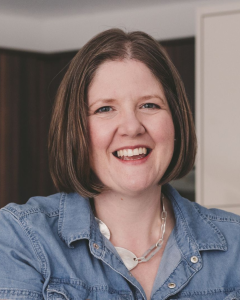
Fiona Brannigan, BSc (Hons) Human Nutrition & Dietetics, HCPC-Registered Dietitian, Full member of the British Dietetic Association.
Fiona Brannigan is a UK-registered dietitian and founder of Inspirit Nutrition & Dietetic Consultancy, based in Ayrshire and working with clients across the UK. With over 25 years of experience, including more than two decades in the NHS, Fiona has supported thousands of people to improve their health through nutrition.
Her expertise spans gut health, menopause nutrition, digestive disorders, neurological conditions, and rehabilitation following illness. Fiona is particularly passionate about helping adults aged 50+ regain confidence and control over their gut health, manage symptoms such as bloating, constipation, and diarrhoea, and enjoy food without fear or discomfort.
Fiona is regulated by the Health and Care Professions Council (HCPC) and is a member of the British Dietetic Association (BDA). She offers one-to-one consultations online and in person, using evidence-based nutrition and personalised support to help people feel their best at every stage of life.
Book a free discovery call to discuss your gut health goals or learn more about Fiona’s work